Wildlife Profile | Mangrove & Coastal Ecosystems
IN SEARCH OF SMALL-CLAWED OTTER — THE PLAYFUL RESIDENTS
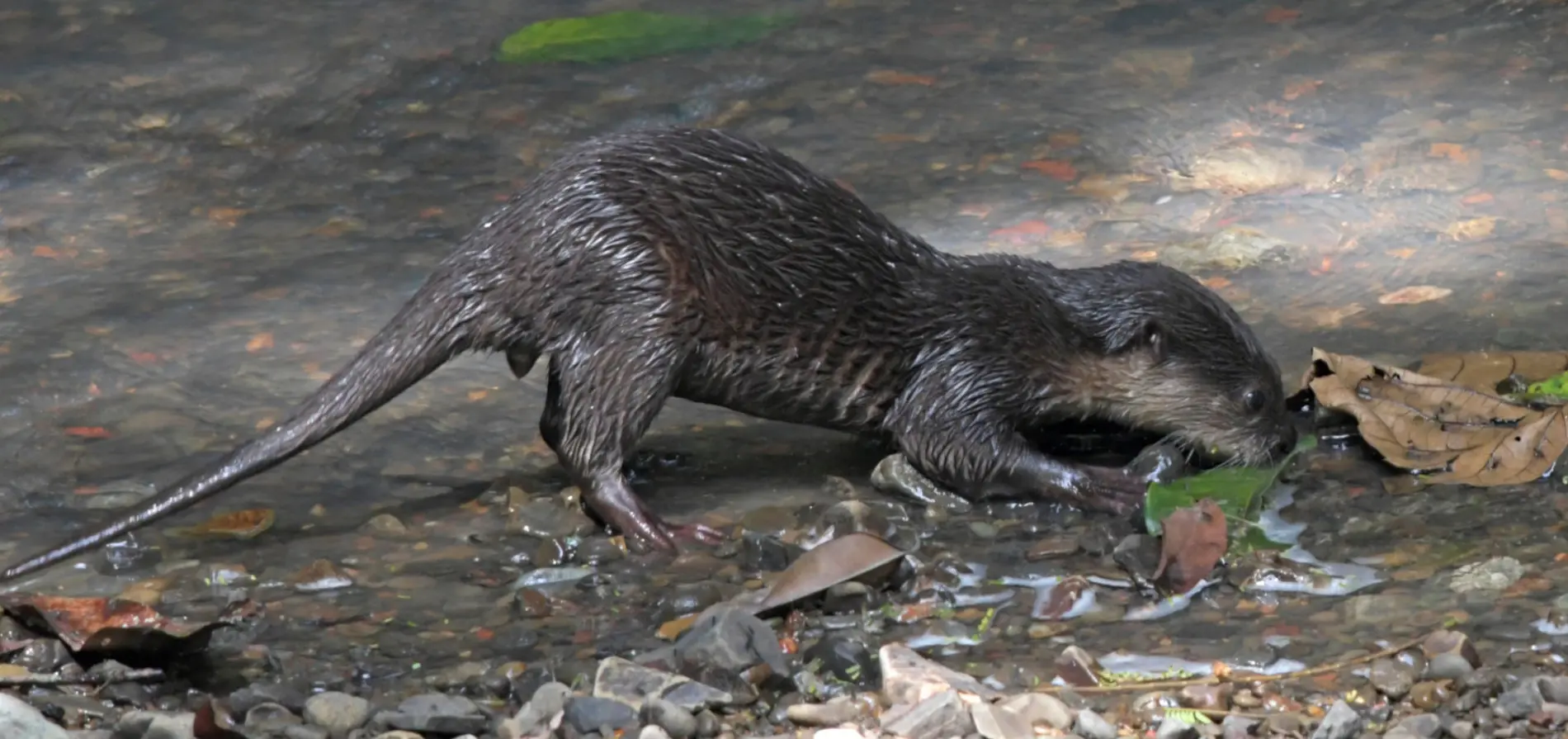
Among the many wonders of Langkawi’s UNESCO Global Geopark, the Asian Small-clawed Otter (Aonyx cinereus) is undoubtedly one of the most charming. As the smallest otter species in the world, they are highly social animals, often living in close-knit family groups of up to a dozen individuals.
These otters are perfectly adapted for life at the water's edge. Unlike other otters, their paws have only partial webbing and reduced claws, giving them a high degree of manual dexterity. This allows them to feel around in the mud and under rocks for their favorite meals: crabs, snails, and other small mollusks.
Social Architects of the Mangroves
Watching a family of otters is like watching a synchronized performance. They communicate through a complex vocabulary of chirps, whistles, and barks. In the mangroves of Langkawi, they play a vital role as apex predators of the intertidal zone, keeping the population of crustaceans in check and maintaining the balance of this delicate ecosystem.
Because they are sensitive to pollution and habitat loss, seeing them in the wild is a good sign that the local environment is healthy and thriving. They are shy but curious, often popping their heads out of the water to inspect passersby before disappearing back into the intricate roots of the mangrove trees.
EXPLORE THE MANGROVE WONDERLAND
Mangrove Boat & Kayaking Tours:
The Asian Small-clawed Otter is occasionally spotted along the quiet channels of the Kilim Karst Geoforest Park. While sightings of these playful families are a special treat and cannot be guaranteed, our tours offer the best chance to witness them in their natural habitat.
Explore the Mangroves: UNESCO Geopark Cruise | Mangrove Kayaking & Swimming
General Inquiries & Bookings:
Email: junglewalla@gmail.com
WhatsApp Hotline: +60 19 225 2300