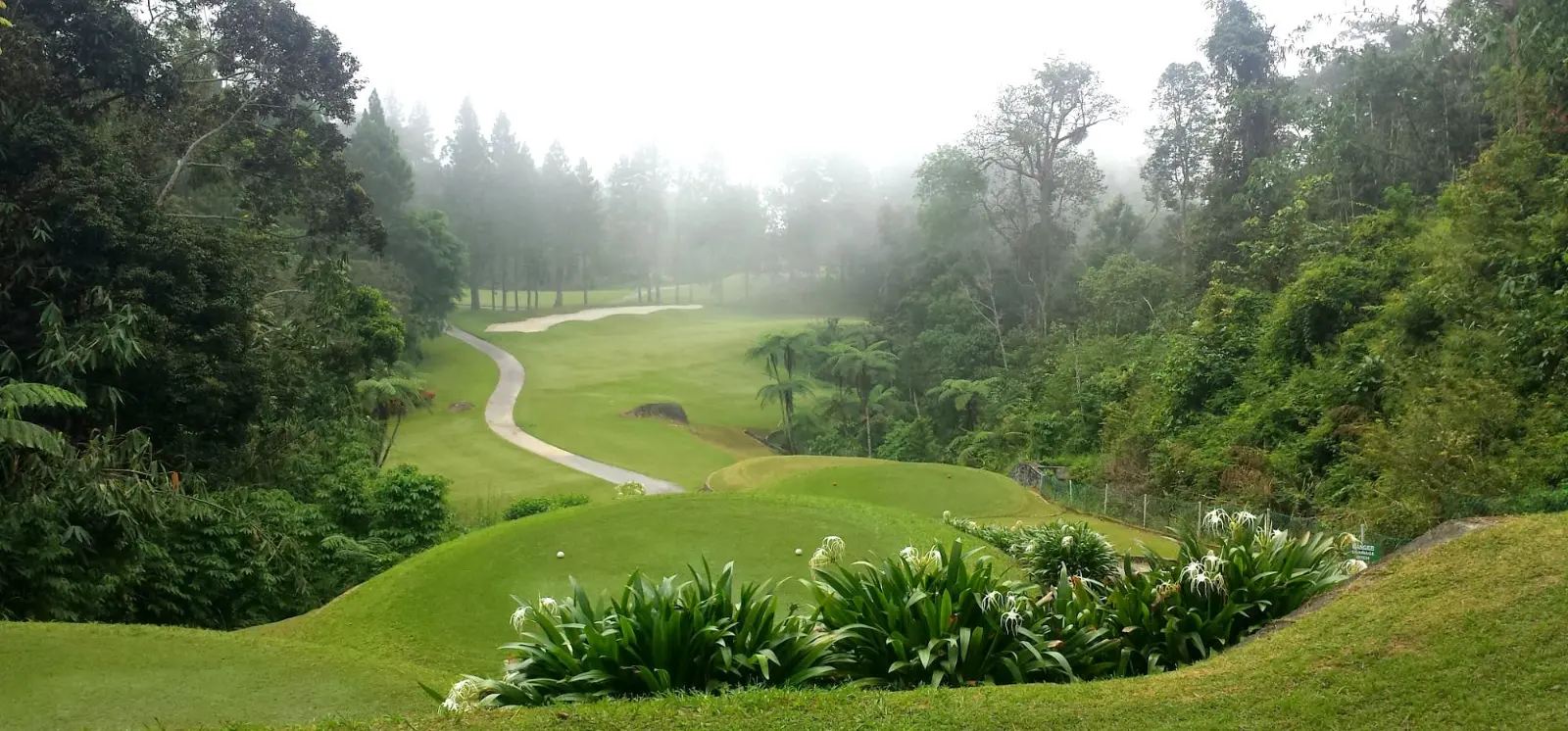
Rising to 1,865 meters on the border of Pahang and Selangor, Genting Highlands (Gunung Ulu Kali) is primarily known as a premier entertainment hub. However, beyond the urban developments lies a significant ecological zone consisting of ancient montane rainforests and high-altitude mossy forests that are home to a surprising variety of endemic flora and fauna.
THE ULU KALI ECOSYSTEM
The summit area of Gunung Ulu Kali features unique stunted vegetation and high-altitude flora that have adapted to the constant mist and lower temperatures.
- Montane Birds: The area is a recognized site for birdwatching, where high-altitude specialists such as the Malayan Whistling Thrush, Black Laughingthrush, and various species of sunbirds can be observed in the remaining forest fringes.
- Pitcher Plants & Orchids: The ridge forests are habitats for several species of Nepenthes and wild orchids, thriving in the nutrient-poor but moisture-rich peat soil typical of Malaysia’s "cloud forests."
- The Awana Bio Park: Located at a lower elevation (approx. 1,000m), this area serves as a gateway to the primary dipterocarp forest, featuring guided nature trails and conservation efforts aimed at preserving the local biodiversity.
CLIMATE & LANDSCAPE
- Geology: The highlands are part of the Main Range (Banjaran Titiwangsa), characterized by steep granite slopes and river systems that provide essential water catchment for the surrounding lowlands.
- Temperature: Genting Highlands enjoys a spring-like climate, with temperatures typically ranging between 14°C and 25°C, providing a distinct contrast to the tropical heat of Kuala Lumpur.
PRACTICAL INFORMATION
- Access: Located approximately 45 minutes from Kuala Lumpur. Access is primarily via the Karak Highway. The Awana SkyWay cable car system offers a scenic ascent, providing an aerial view of the transition from lowland to montane forest.
- Transport: Regular express bus services operate from KL Sentral, Pudu Sentral, and Gombak LRT station directly to the Awana Bus Terminal.
- Conservation Note: While the summit is highly developed, visitors are encouraged to explore the designated nature trails and support local conservation initiatives that protect the remaining forest fragments.
Experience Malaysia’s Premier Nature Destinations
Langkawi Signature Nature Tours:
Planning a visit to the Jewel of Kedah? Explore Southeast Asia’s first UNESCO Global Geopark with the archipelago's leading naturalists. From rainforest treks to ethical mangrove boat safaris, we provide world-class field interpretation.
Explore Tours: Langkawi Nature Expeditions
General Reservations & Inquiries:
Hotline (WhatsApp): +60 19 225 2300
Email: junglewalla@gmail.com
Corporate & Media:
Azri Hussein (Operational Manager)
WhatsApp: +60 19 592 2300