Originally published in FORBES – 05 July 2007 | By Rowena Forbes
One of Malaysia’s most accessible and beautiful tropical islands, Pulau Langkawi’s sun-drenched tropical climate, white powdered and black volcanic beaches, and welcoming people make it a popular tourist destination. However, as Rowena Forbes discovered, there is more to Langkawi life than beach-bumming.
THE SENSORY DEPTH OF THE MANGROVES
As the peaceful surface of the river started to shudder, I moved out from under the boat’s shelter to feel the refreshing burst of large, warm raindrops on my skin. The air shifted, filling our nostrils with humid, lush aromas from the tropical undergrowth, and an undertone of sea salt. “It will soon pass,” our guide Irshad said calmly; and, sure enough, the deluge was over within minutes.
While the boat chugged slowly past leafy mangroves and majestic limestone outcrops, Irshad pointed out details that our slower senses would otherwise have missed:
- The colorful splash of a Kingfisher skimming over green-tinged water.
- The slow, implacable blink of a sunbathing Monitor Lizard.
- The twisted knot of a slender snake, tied around a perilously high tree branch.
- The heavy rustle of leaves heralding the arrival of a Long-tailed Macaque.
A NATURALIST’S MISSION
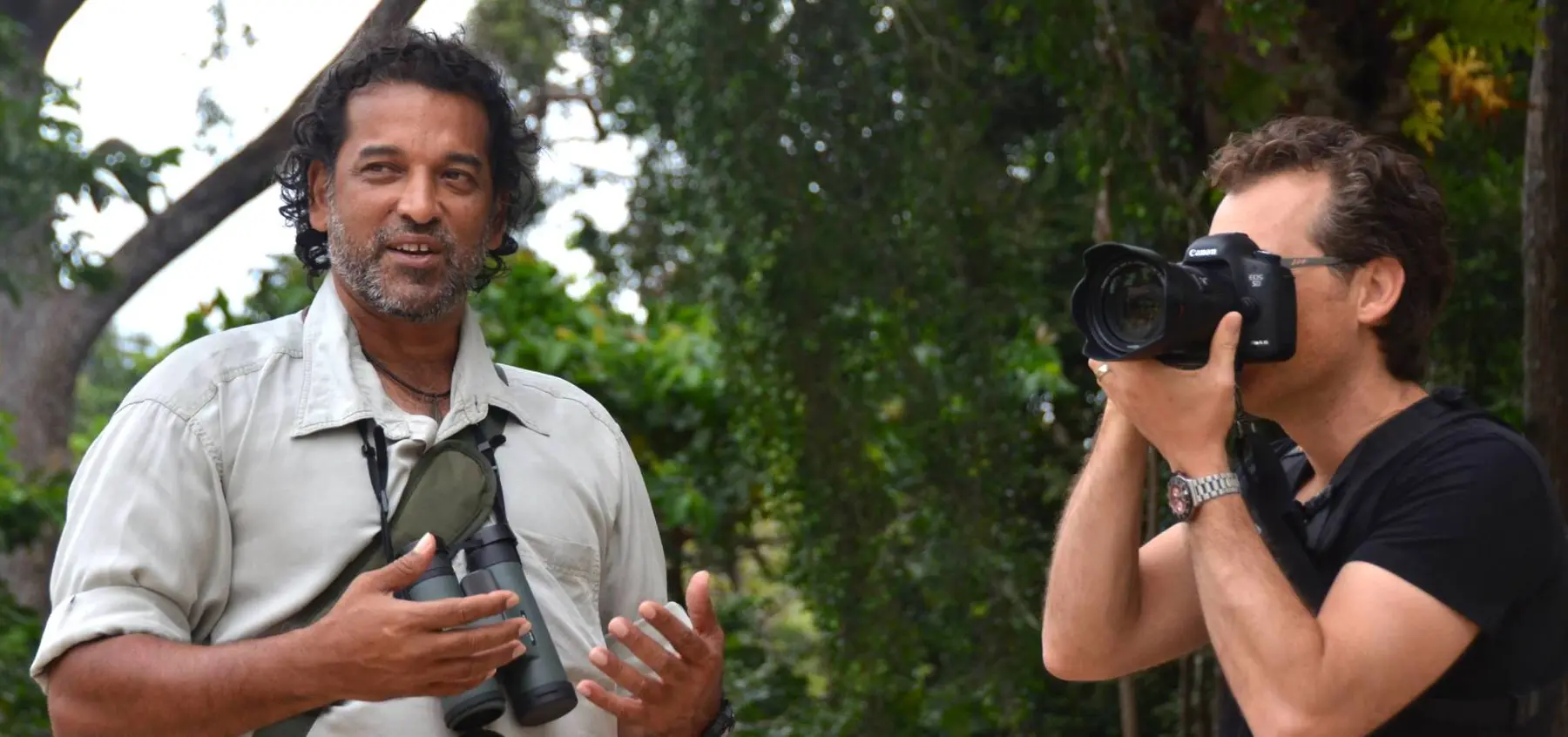
Formerly a banker in Kuala Lumpur, Irshad Mobarak fell in love with Langkawi and was inspired by its beautiful, diverse, and vulnerable ecology to become the area’s first naturalist. Now leading expeditions through mangrove swamps and tropical forests, he devotes his time to conservation—fighting to preserve Langkawi’s fragile, fragmented ecosystem in the face of increasing development.
Irshad has an engaging and infectious passion for his surroundings. Every sighting is accompanied by a wealth of background detail, from the flying habits of swifts—which can feed, mate, and sleep on the wing—to the socio-economic struggles of local mangrove loggers.
THE CALL FOR RESPONSIBLE TOURISM
As Irshad points out, while tourism has boosted the local economy, the industry's damaging effects must be tackled carefully. Responsible eco-tourism is the solution. He highlights the detrimental practice of eagle feeding, which upsets natural diets and increases the risk of disease.
“With more education, tourists will hopefully stop this practice, and the birds will be safe again,” Irshad sighed, his eyes riveted to the skies as the kites and eagles cried above us. It is an inspiring sentiment from someone who is so obviously in love with the island and happy to share its hidden treasures with Langkawi’s guests.
EXPERIENCE THE FORBES-FEATURED EXPEDITION
Follow in the footsteps of Rowena Forbes and experience the Kilim Karst Geoforest Park with the team that pioneered eco-tourism in Langkawi. Our award-winning UNESCO Geopark Cruise and Mangrove Kayaking tours are designed with the same conservation ethics highlighted in this feature. Visit our Langkawi Nature Tours page to book.