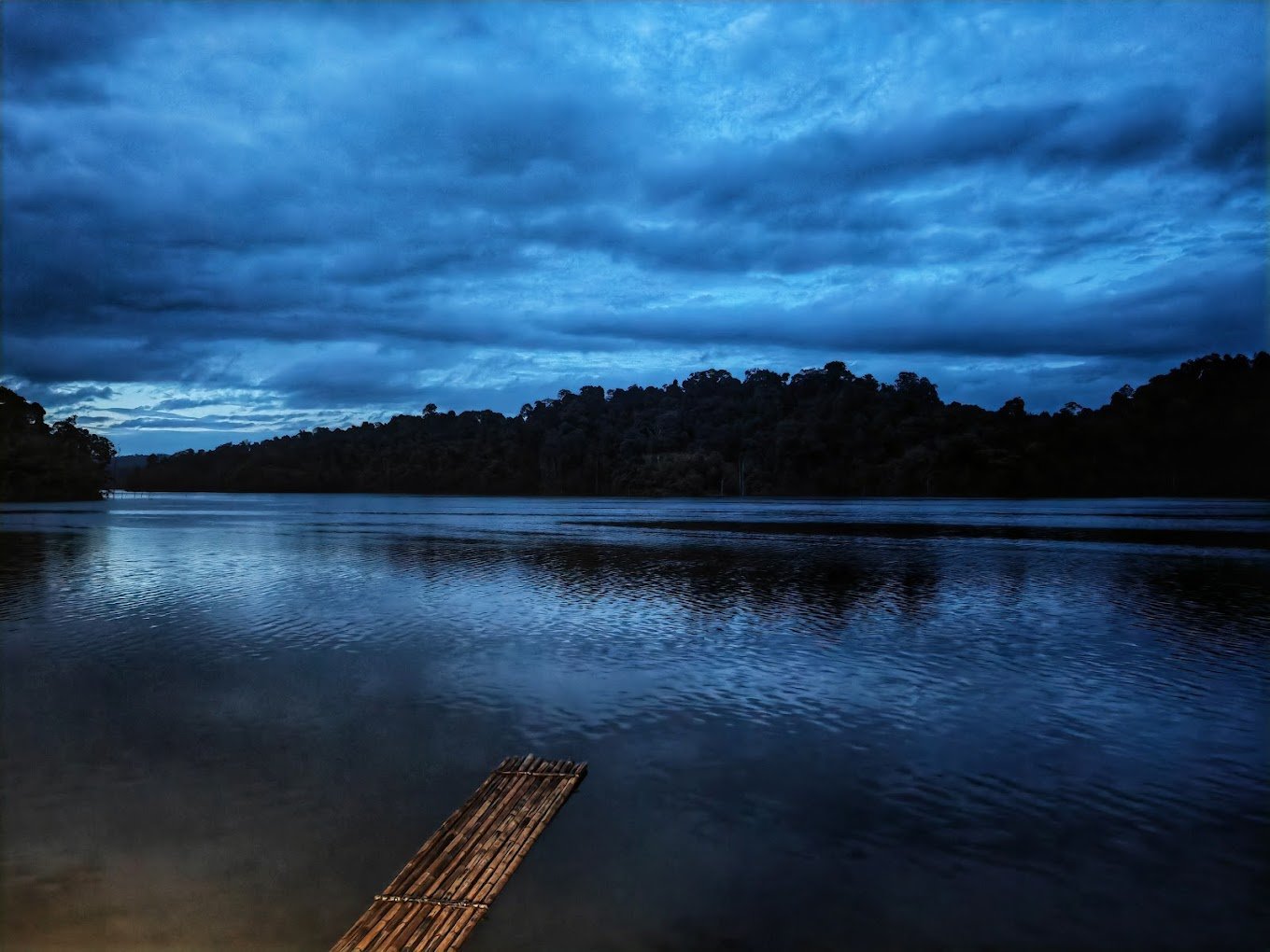
Royal Belum State Park is part of the sprawling 300,000-hectare Belum-Temenggor Forest Complex. Estimated to be over 130 million years old—older than the Amazon and the Congo—it represents one of the most critical and pristine primary rainforests in Peninsular Malaysia. This vast wilderness is a stronghold for biodiversity and a sanctuary for the country's most endangered megafauna.
THE CORE OF CONSERVATION
The state of Perak has designated Royal Belum as a protected nature reserve dedicated to research and conservation. The landscape is a mosaic of ancient rainforest hardwoods (Meranti, Cengal, and Keruing) and a massive freshwater system created by the Temenggor Dam.
BIODIVERSITY & WILDLIFE HIGHLIGHTS
- The Big Five of Malaysia: Royal Belum is one of the few remaining places where you can find the Malayan Tiger, Asian Elephant, Malayan Tapir, Sun Bear, and the Gaur (Seladang) in a single ecosystem.
- Hornbill Capital: It is the only place in the world where all 10 species of Malaysian Hornbills can be found, including the spectacular seasonal migration of thousands of Plain-pouched Hornbills.
- Rafflesia: The park is home to three species of the world’s largest flower: Rafflesia azlanii, Rafflesia cantleyi, and Rafflesia kerrii.
- Salt Licks: Over 60 natural salt licks are scattered throughout the park, acting as vital mineral hubs for sambar deer, barking deer, and elephants.
EXPEDITION HIGHLIGHTS
- Temenggor Lake Exploration: Navigate the ancient limestone outcrops by boat, some dating back 400 million years.
- Indigenous Culture: Visit the settlements of the Jahai tribe (Orang Asli), the traditional guardians of the forest, to learn about their deep connection with the ecosystem.
- Waterfall Trekking: Expeditions to remote falls like Terhong Waterfall offer a glimpse into the heart of the primary forest.
LOGISTICS & ACCESS
The gateway to Royal Belum is Pulau Banding, located along the East-West Highway.
- By Road: Approximately 5–6 hours from Kuala Lumpur via the North-South Expressway, exiting at Kuala Kangsar. It is a 3-hour drive from Penang or Kota Bharu.
- Permits: Entry to the State Park requires a formal permit from the Perak State Park Corporation, which must be applied for at least 7–14 days in advance.
Experience Malaysia’s Premier Nature Destinations
Langkawi Signature Nature Tours:
Planning a visit to the Jewel of Kedah? Explore Southeast Asia’s first UNESCO Global Geopark with the archipelago's leading naturalists. From rainforest treks to ethical mangrove boat safaris, we provide world-class field interpretation.
Explore Tours: Langkawi Nature Expeditions
General Reservations & Inquiries:
Hotline (WhatsApp): +60 19 225 2300
Email: junglewalla@gmail.com
Corporate & Media:
Azri Hussein (Operational Manager)
WhatsApp: +60 19 592 2300