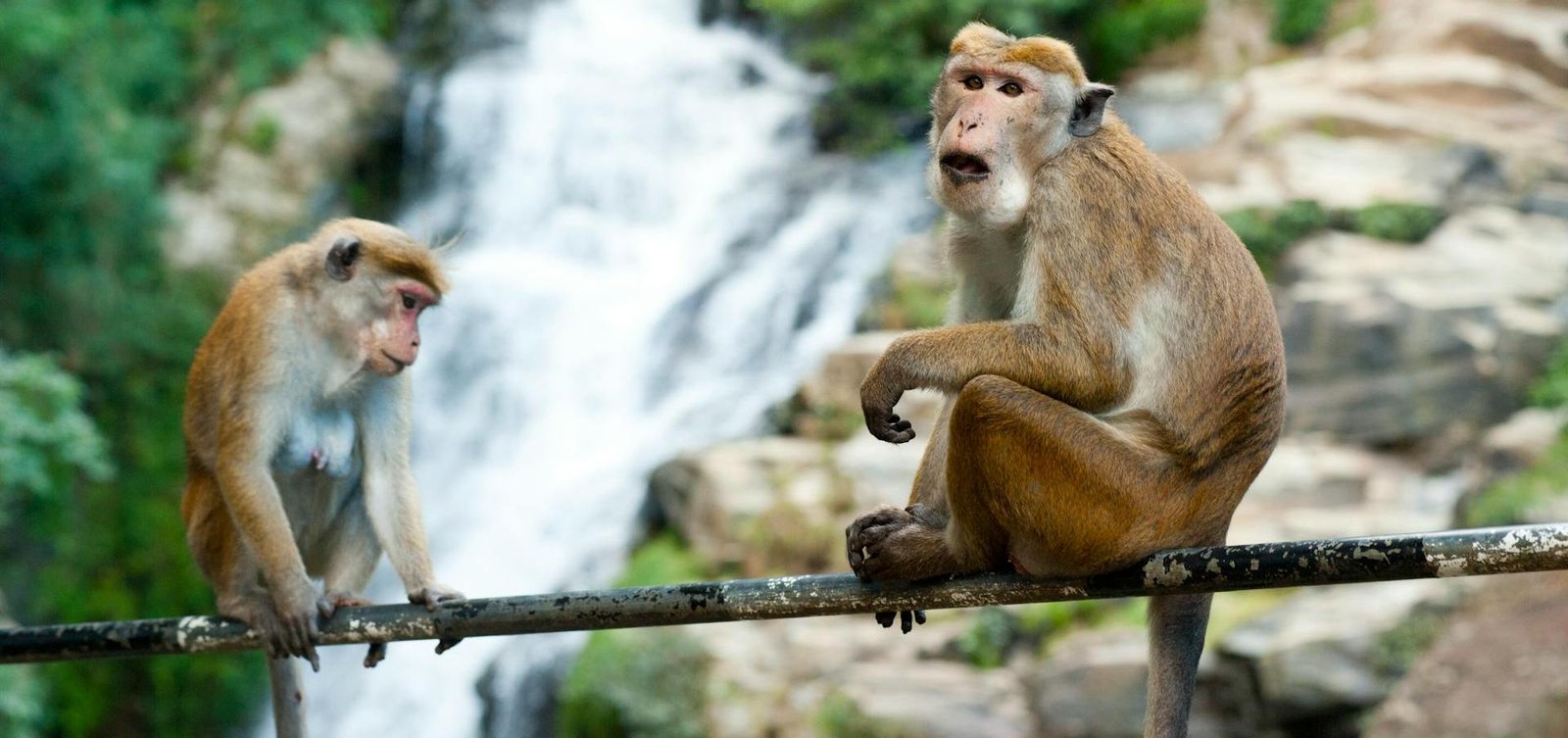
The Long-tailed Macaque, also known as the Crab-eating Macaque, is one of the most adaptable and intelligent primates in Southeast Asia. In Langkawi and across Peninsular Malaysia, they play a vital role in the ecosystem as seed dispersers and opportunistic predators within mangrove and riverine habitats.
BIOLOGICAL PROFILE
- Physical Characteristics: Distinguished by a tail that is often longer than its body (up to 60cm). They possess grey-brown or reddish-brown fur and a prominent crest of hair on the crown of the head.
- Habitat: Highly versatile, inhabiting primary and secondary forests, coastal mangroves, and riverine fringes. They are proficient swimmers, often seen foraging in intertidal zones for crabs and crustaceans.
- Social Structure: They live in complex matrilineal societies consisting of up to 50 individuals. These troops are led by a dominant alpha male and are characterized by intricate social grooming and vocal communication.
ECOLOGICAL ROLE & BEHAVIOR
- Dietary Flexibility: While primarily frugivorous (fruit-eating), they are highly opportunistic, consuming insects, small vertebrates, and coastal invertebrates. This flexibility allows them to survive in diverse environments.
- Seed Dispersal: By consuming a wide variety of wild fruits and traveling across large home ranges, they act as essential agents for forest regeneration.
- Problem-Solving: Known for their high cognitive abilities, they have been observed using tools and exhibiting complex foraging strategies in both forest and urban fringes.
CONSERVATION & ETHICAL OBSERVATION
Despite their prevalence, Long-tailed Macaques face threats from habitat loss and human-wildlife conflict. At JungleWalla, we advocate for responsible wildlife viewing to ensure their long-term survival.
- Do Not Feed: Feeding macaques alters their natural behavior, leads to aggression, and creates a dependency that often results in conflict with humans. It also compromises their health by introducing processed human foods into their diet.
- Maintain Distance: Observe troops from a respectful distance. Direct eye contact can be perceived as a threat in primate social hierarchy.
- Conservation Status: Listed as Endangered on the IUCN Red List due to significant population declines across their range caused by habitat conversion and exploitation.
OBSERVE PRIMATES IN THE WILD
Join our professional naturalists on a journey through Langkawi’s mangroves and rainforests to see macaques and other primates in their natural, undisturbed habitat.
Choose Your Nature Expedition:
- Explore the mangroves: Langkawi UNESCO Geopark Cruise
- Trek the rainforest: Morning Rainforest Walking
- Paddle through the wilds: Langkawi Kayaking Adventure
- Cycle the rural trails: Countryside Biking Tour
General Inquiries & Bookings:
Email: junglewalla@gmail.com
WhatsApp Hotline: +60 19 225 2300