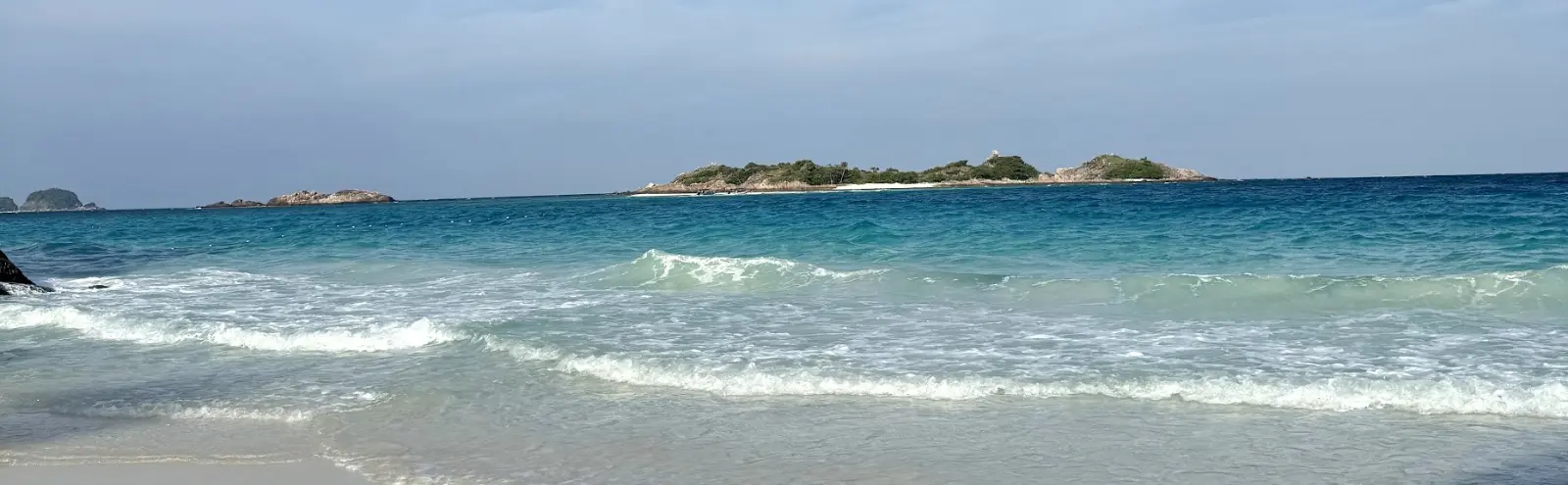
Pulau Redang is the largest island in the Terengganu Marine Park archipelago, situated 45km off the coast of Peninsular Malaysia. Known for its world-class snorkeling and diving, the island is part of a protected marine sanctuary that encompasses nine islands, providing a vital habitat for diverse coral species and endangered sea turtles.
MARINE BIODIVERSITY & SNORKELING
As a gazetted Marine Park, Pulau Redang is subject to strict conservation laws to preserve its underwater heritage. The nutrient-rich waters of the South China Sea support an immense variety of marine life.
- Coral Sanctuaries: The reefs surrounding Pulau Redang, Pulau Lima, and Pulau Pinang are renowned for their brilliant hues of hard and soft corals, giant clams, and anemones.
- Marine Life Encounters: The protected status of the park ensures reliable sightings of Black-tip Reef Sharks, Moray Eels, and various species of rays within the fringing reefs.
- Neighboring Atolls: Pulau Ekor Tebu, Pulau Ling, and Pulau Lang Tengah offer exceptional visibility and specialized dive sites, including submerged pinnacles and coral gardens.
CONSERVATION & TURTLE PROTECTION
- SEATRU (Sea Turtle Research Unit): Redang is home to significant nesting sites for Green Turtles and Hawksbill Turtles, particularly at Chagar Hutang. This area is a strictly managed sanctuary dedicated to the long-term research and protection of these species.
- Marine Park Regulations: No fishing is permitted within a 3.2km radius of the island. The collection of corals, shells, or any other aquatic life is strictly prohibited to ensure the ecosystem's integrity.
PRACTICAL INFORMATION
- Access: Ferries and speedboats operate from the Merang Jetty (approx. 50 minutes) and the Kuala Terengganu Shahbandar Jetty (approx. 1 hour 30 minutes).
- Seasonal Window: Like most East Coast islands, Pulau Redang is closed during the Northeast Monsoon from November to February. The peak season for diving and snorkeling is from April to September.
- Eco-Responsibility: Visitors are encouraged to use reef-safe sunscreen and avoid touching or standing on coral formations to minimize their environmental footprint.
Experience Malaysia’s Premier Nature Destinations
Langkawi Signature Nature Tours:
Planning a visit to the Jewel of Kedah? Explore Southeast Asia’s first UNESCO Global Geopark with the archipelago's leading naturalists. From rainforest treks to ethical mangrove boat safaris, we provide world-class field interpretation.
Explore Tours: Langkawi Nature Expeditions
General Reservations & Inquiries:
Hotline (WhatsApp): +60 19 225 2300
Email: junglewalla@gmail.com
Corporate & Media:
Azri Hussein (Operational Manager)
WhatsApp: +60 19 592 2300