
Langkawi is a premier birdwatching destination, supporting eight distinct species of kingfishers across its mosaic of rainforests, mangroves, and wetlands. While regions like the United Kingdom host only a single species, Langkawi’s high density of kingfishers serves as a critical ...[ read more ]
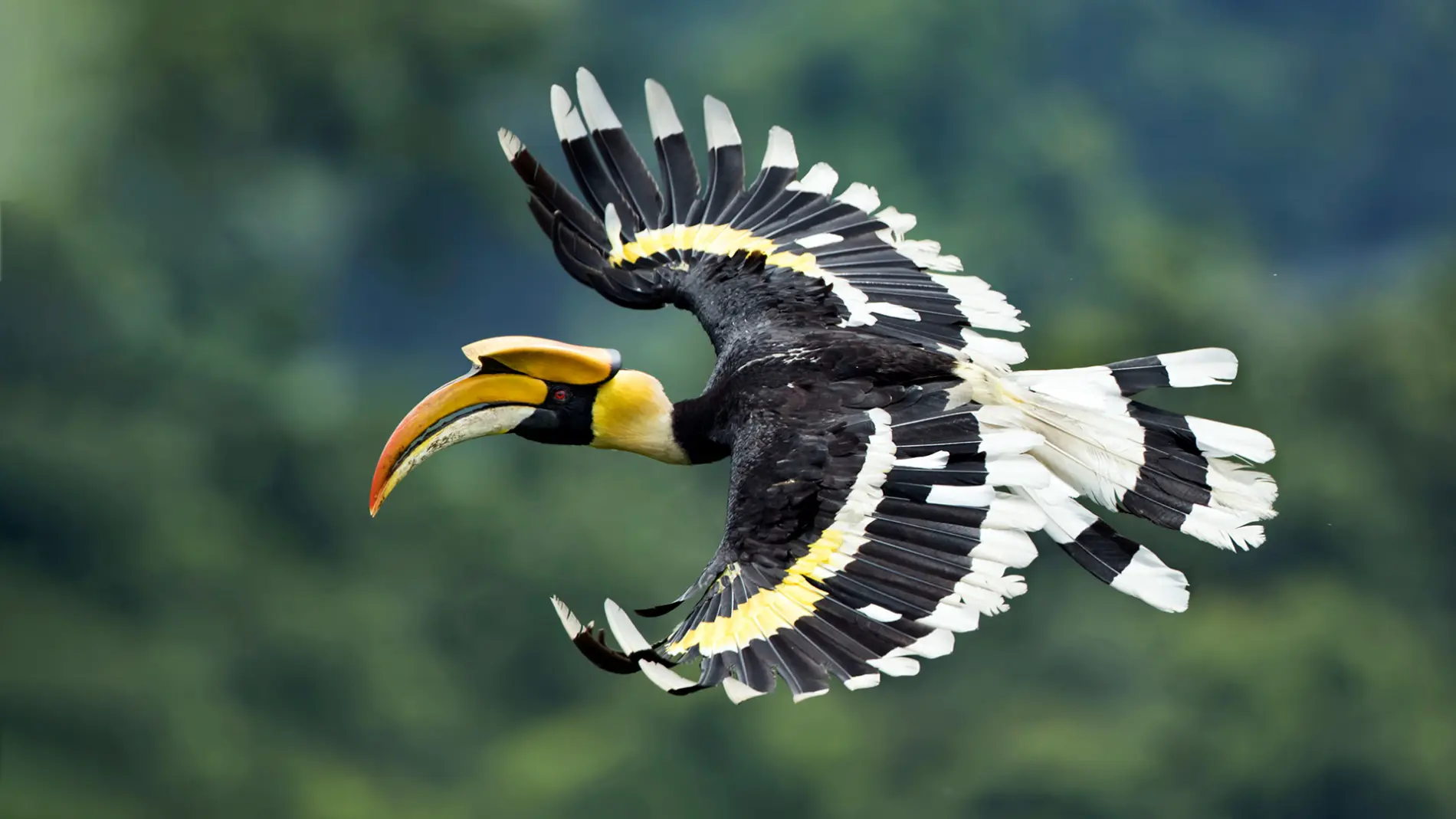
HORNBILLS OF LANGKAWI — THE FOREST GIANTS
JungleWalla Nature Journal | Species Spotlight Hornbills are perhaps the most iconic avian residents of Langkawi’s rainforests. Their presence is a sign of a healthy ecosystem, as they require large, ancient trees for nesting and vast tracts of forest to ...[ read more ]
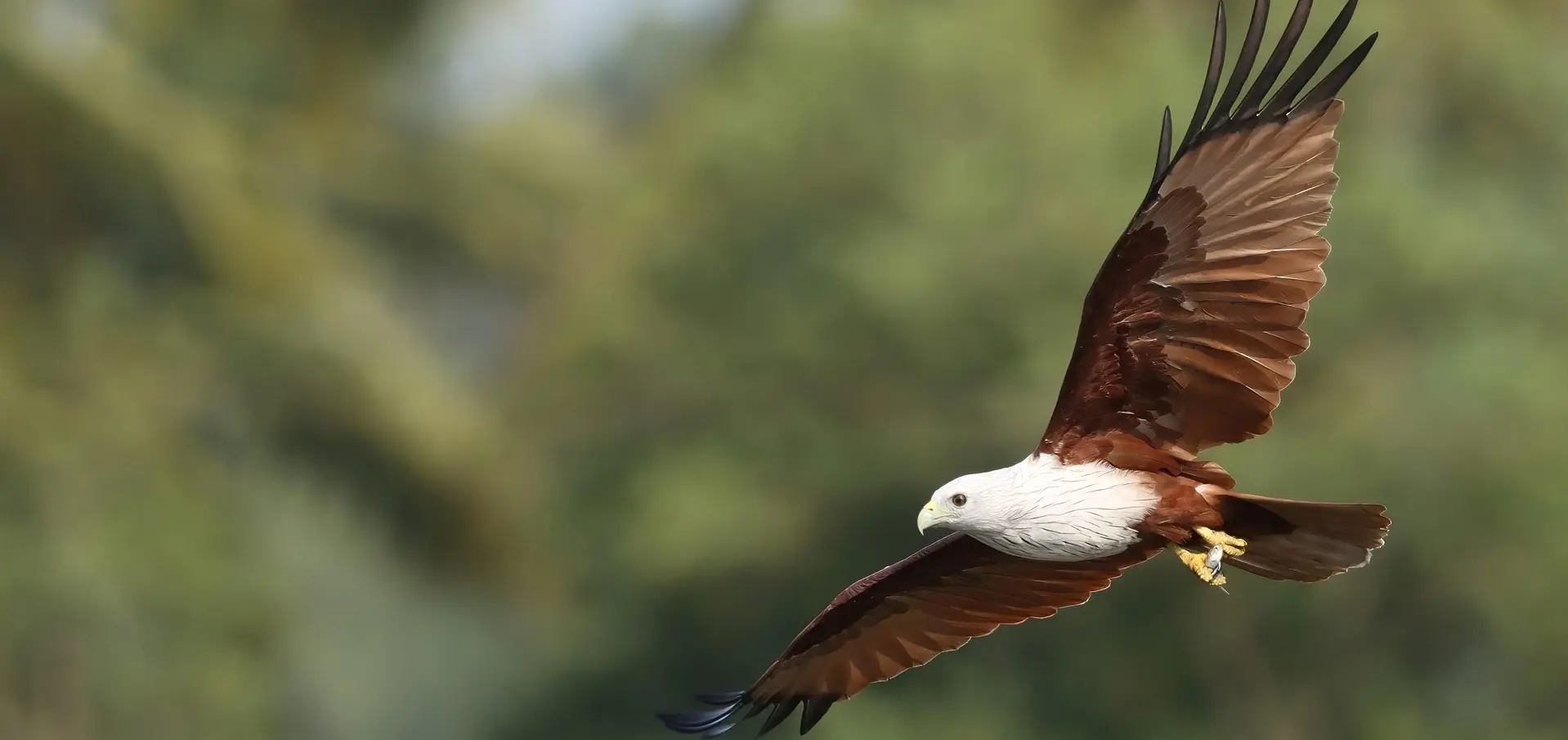
BIRDS OF PREY IN LANGKAWI
JungleWalla Nature Journal | Raptor Spotlight Langkawi is a premier location for observing raptors in their natural habitat. Among the commonly seen species are the White-bellied Sea Eagle, Brahminy Kite, Changeable Hawk-Eagle, Jerdon’s Baza, Crested Serpent Eagle, Crested Goshawk, and ...[ read more ]
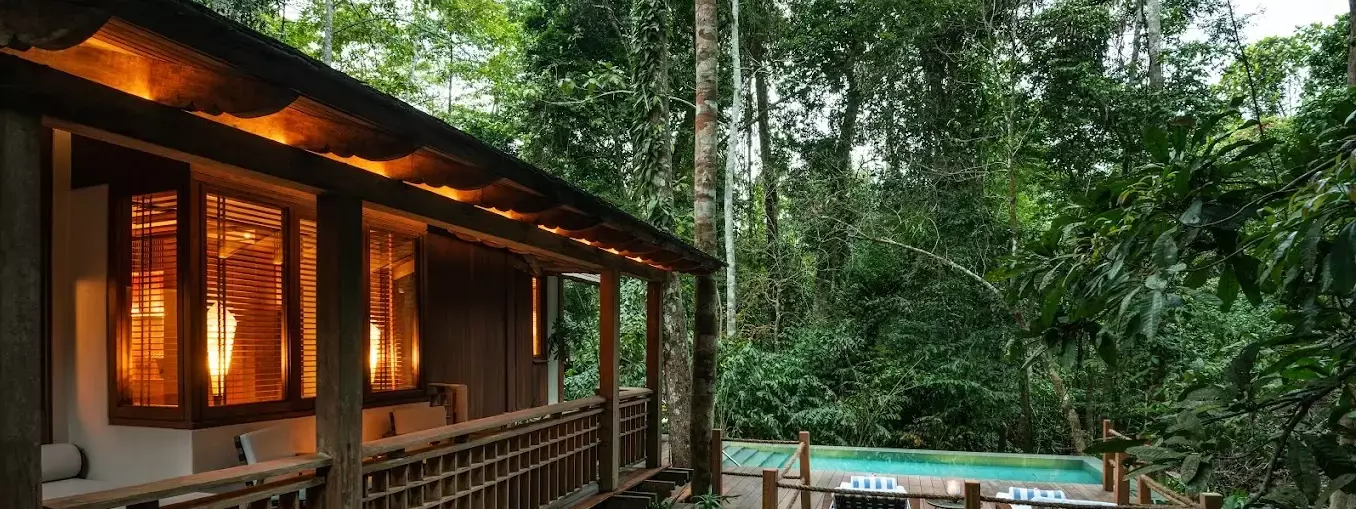
JUNGLE ODYSSEY — A FAMILY EXPEDITION IN THE ANCIENT RAINFOREST
Langkawi’s northwestern corner is a sanctuary of primary rainforest, where the mountains meet the Andaman Sea. This narrative follows a family’s journey into the heart of the Machinchang formation, guided by JungleWalla’s founder and resident naturalist, Irshad Mobarak. It is ...[ read more ]
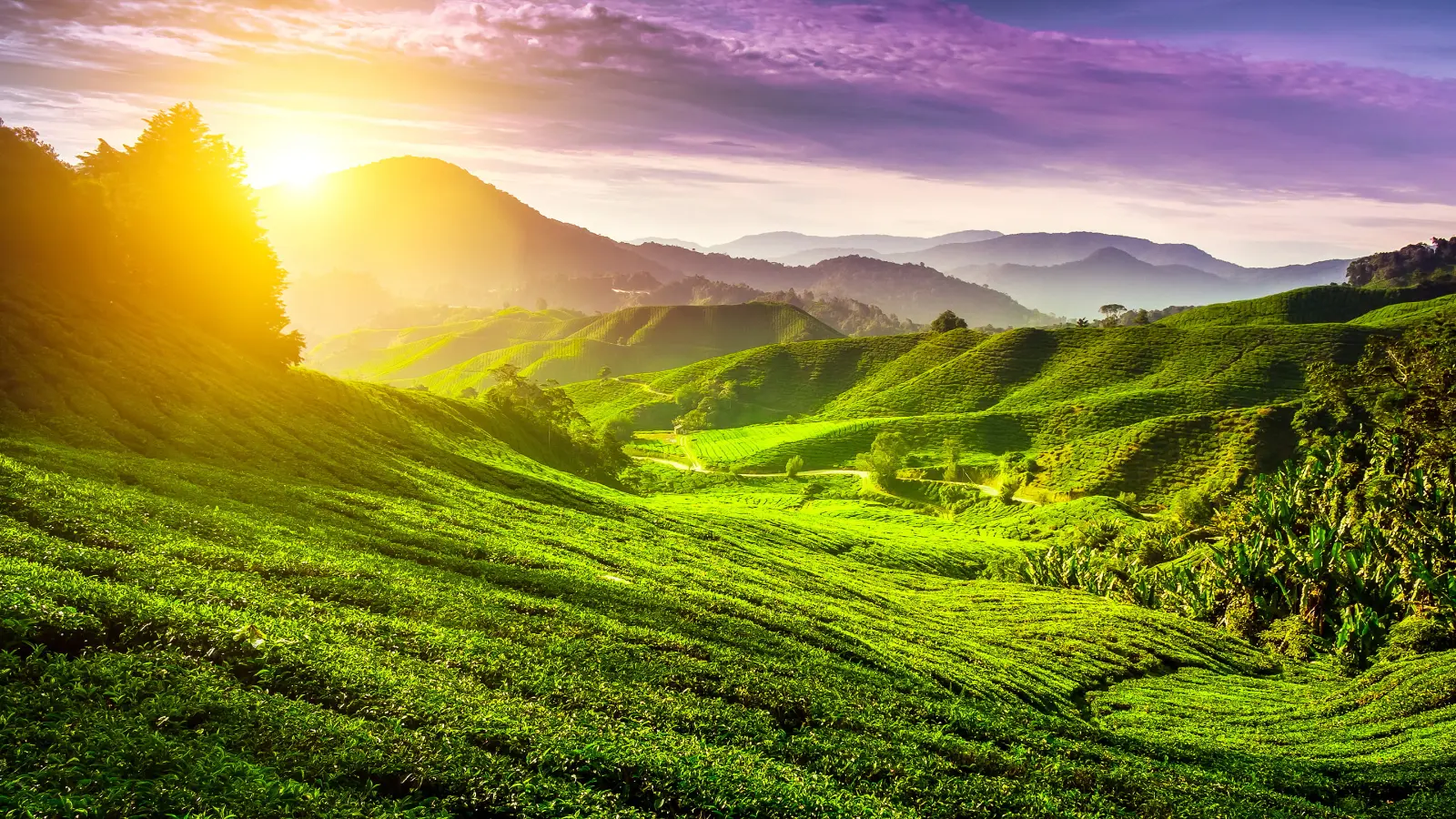
PAHANG — THE GREEN HEART OF THE PENINSULA
Pahang is the largest state in Peninsular Malaysia, characterized by its vast mountain ranges, ancient rainforests, and expansive river systems. From the 130-million-year-old wilderness of Taman Negara to the mist-shrouded peaks of the Titiwangsa Range, Pahang serves as a critical ...[ read more ]
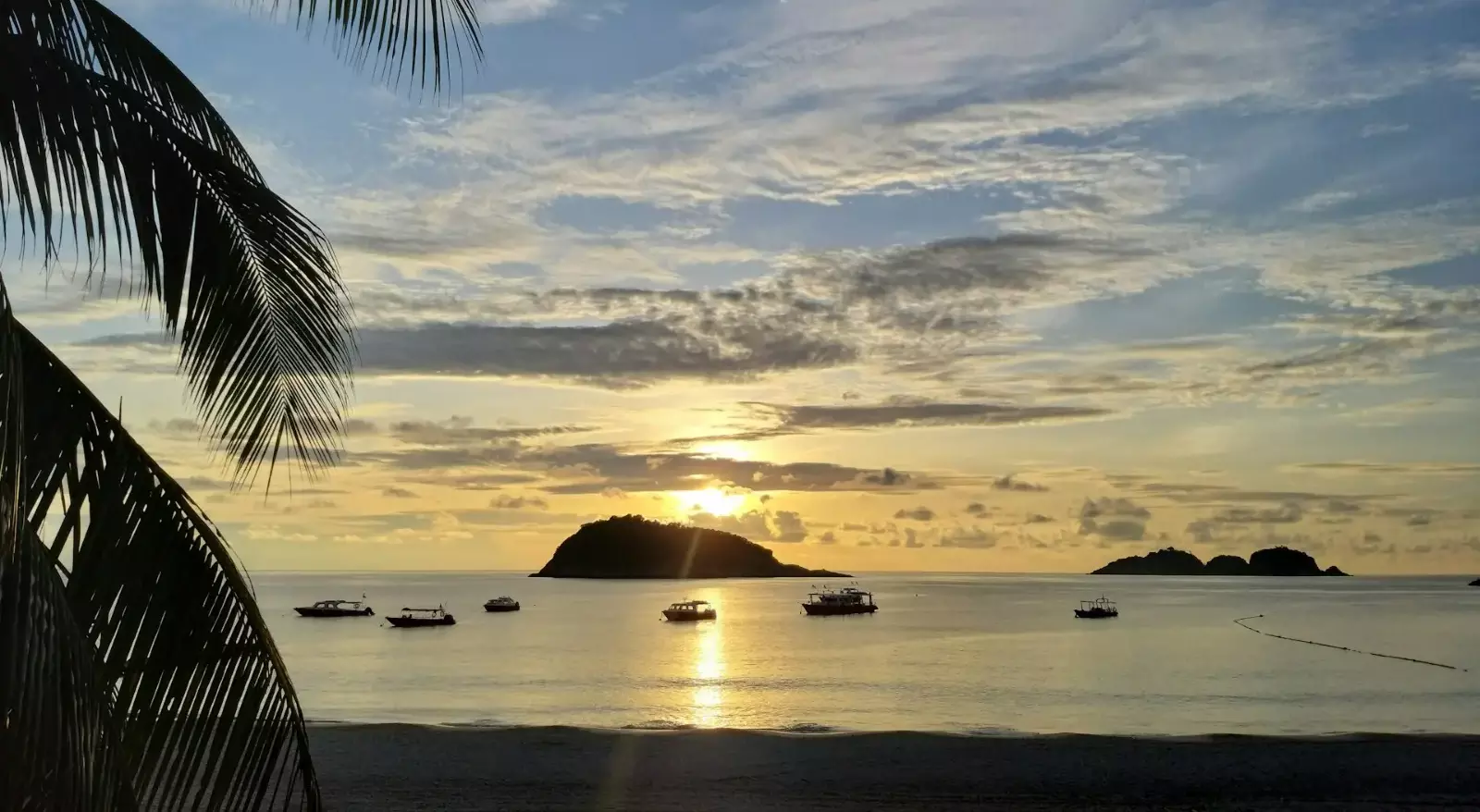
TERENGGANU — THE LAND OF TURTLES AND TRADITION
Terengganu, located on the northeastern coast of Peninsular Malaysia, is a state defined by its deep spiritual heritage, traditional maritime craftsmanship, and some of the most vibrant marine ecosystems in Southeast Asia. With a coastline stretching over 200 kilometers, it ...[ read more ]

NEGERI SEMBILAN — THE LAND OF ADAT PERPATIH
Negeri Sembilan is defined by its unique Minangkabau heritage and the matrilineal social system known as Adat Perpatih. Beyond its iconic horn-roofed architecture, the state offers significant ecological landmarks, from the ancient coastal forests of Cape Rachado to the rugged ...[ read more ]

JOHOR — THE SOUTHERN FRONTIER OF BIODIVERSITY
Johor, the southernmost state of Peninsular Malaysia, is a region of immense ecological diversity. From the ancient rainforests of Endau-Rompin to the specialized mangrove systems of Desaru and Tanjung Piai, the state serves as a vital corridor for Peninsular Malaysia’s ...[ read more ]
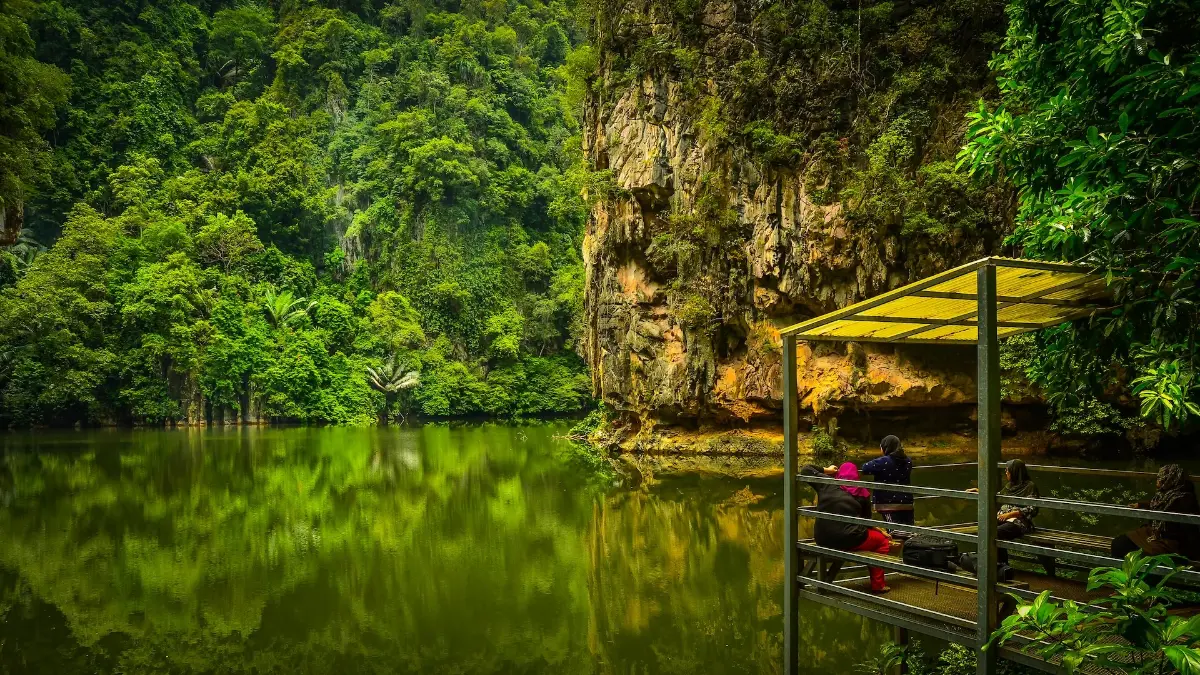
IPOH — THE CITY OF LIMESTONE PEAKS
Ipoh, the capital of Perak, is situated within the Kinta Valley, once the world’s most productive tin-mining region. Geologically, the city is defined by its spectacular karst landscape—massive limestone outcrops and hidden cave systems that date back over 250 million ...[ read more ]
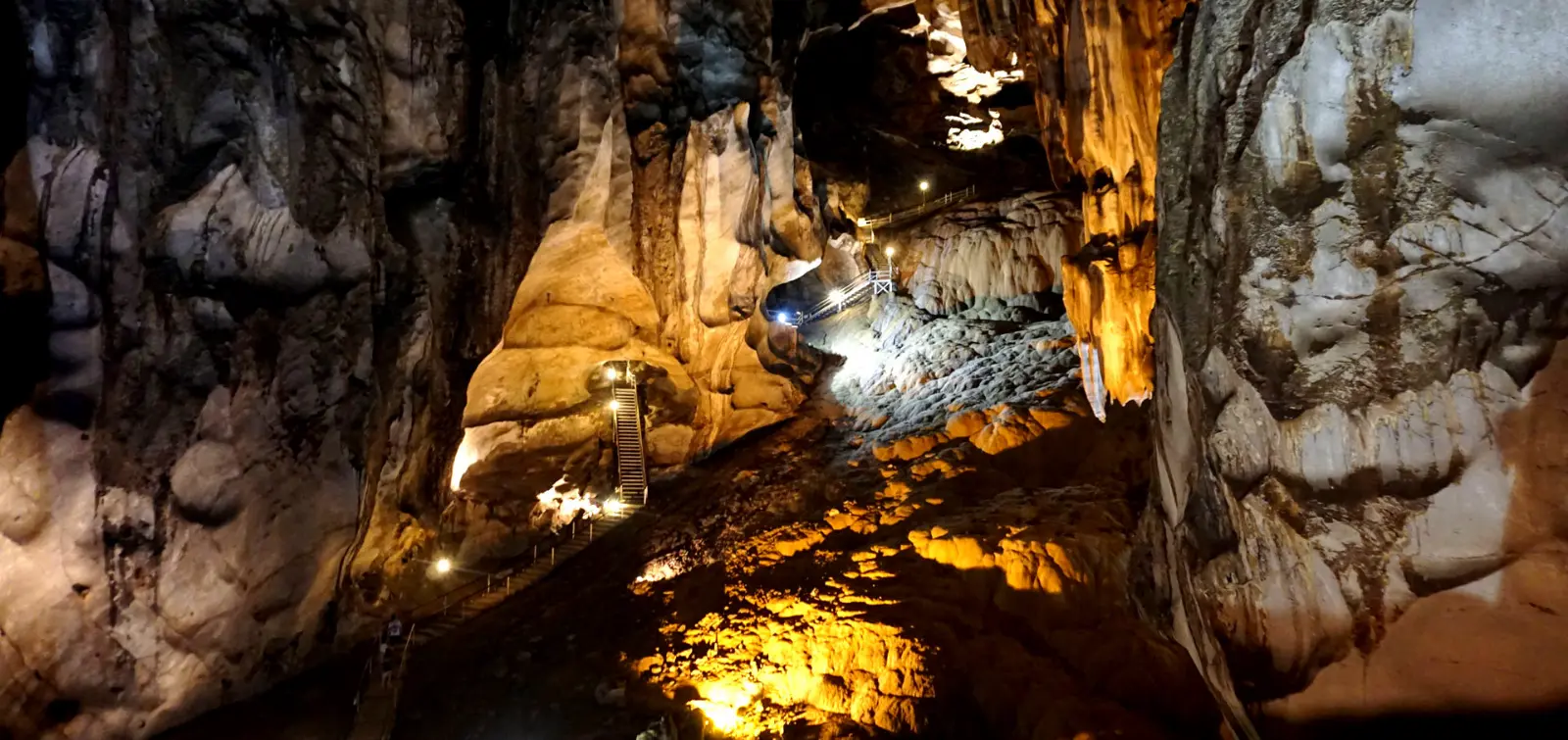
PERAK — THE SILVER STATE’S ANCIENT RAINFORESTS & KARST PEAKS
Perak, named after the silvery tin ore that once drove its economy, is a state defined by geological extremes. From the 130-million-year-old virgin rainforests of Belum-Temenggor to the dramatic limestone karst formations of the Kinta Valley, Perak offers some of ...[ read more ]
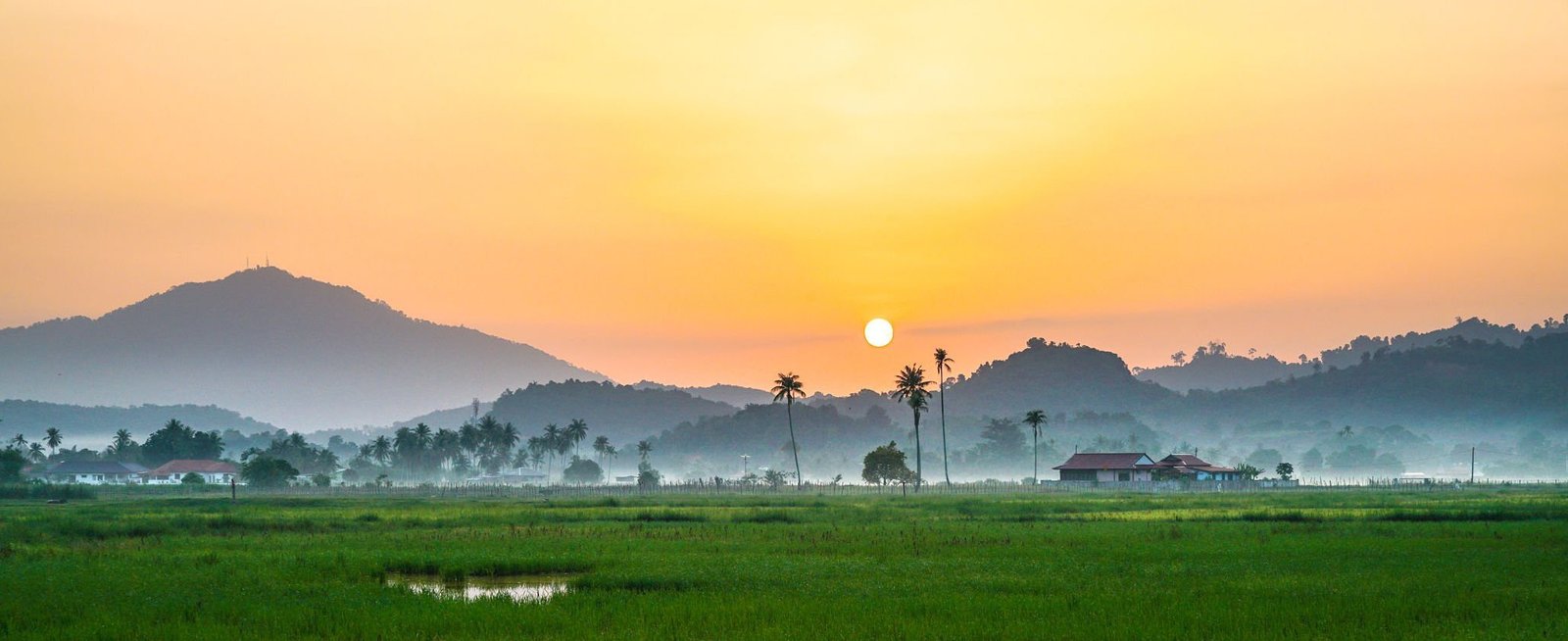
KEDAH — THE RICE BOWL AND ANCIENT GATEWAY
Kedah is one of Malaysia’s most ancient states, characterized by vast alluvial plains dedicated to paddy cultivation and the dramatic limestone and granite peaks that punctuate its landscape. As the "Rice Bowl of Malaysia," Kedah’s ecology is defined by its ...[ read more ]
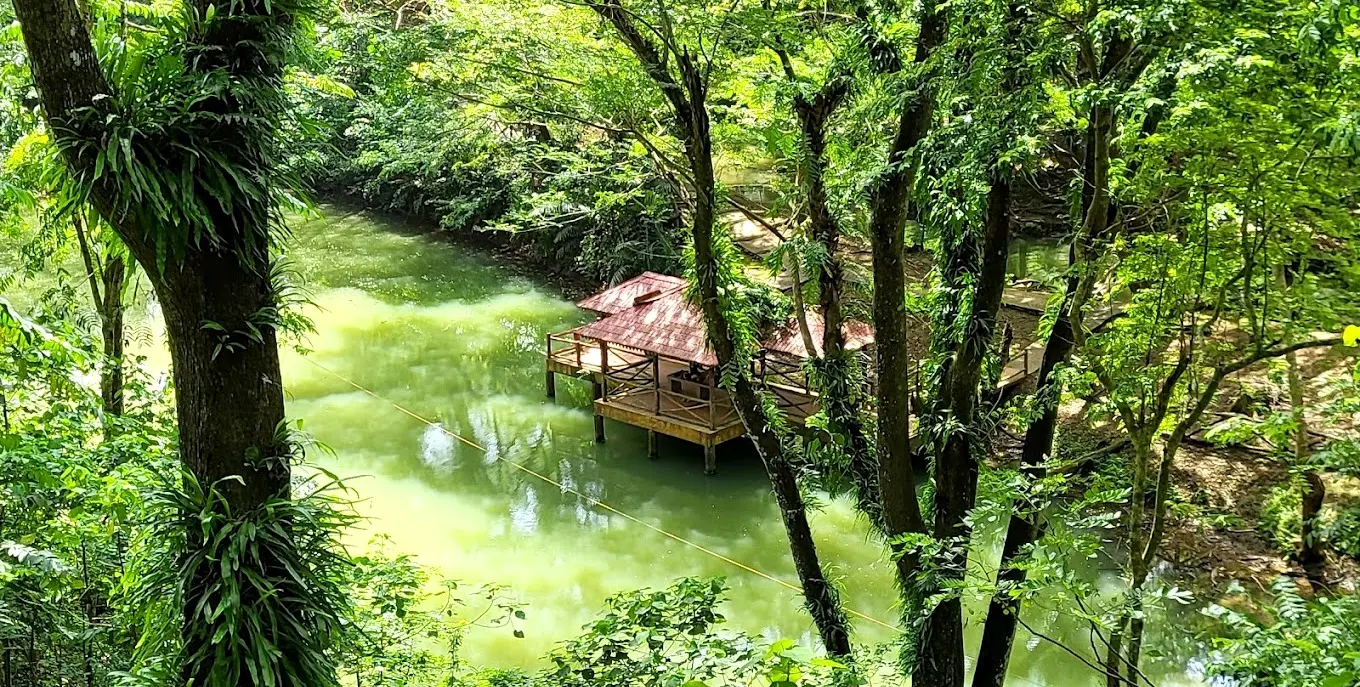
PERLIS — THE KARST FRONTIER AND RUSTIC BORDERLAND
Perlis, Malaysia’s smallest state, is a unique ecological zone characterized by its distinct semi-arid climate and dramatic limestone topography. Dominated by the Nakawan Range—the longest continuous limestone ridge in the country—the state offers a landscape of vast paddy fields punctuated ...[ read more ]